

Ashley Gregory
Doctorate of Health Sciences (DHSc), Master of Science in Public Health Education and Promotion (MPH), Certified Health Education Specialist (CHES), Board Certified Patient Advocate (BCPA), Certified Community Health Worker (CCHW)
ARG Health Consulting LLC
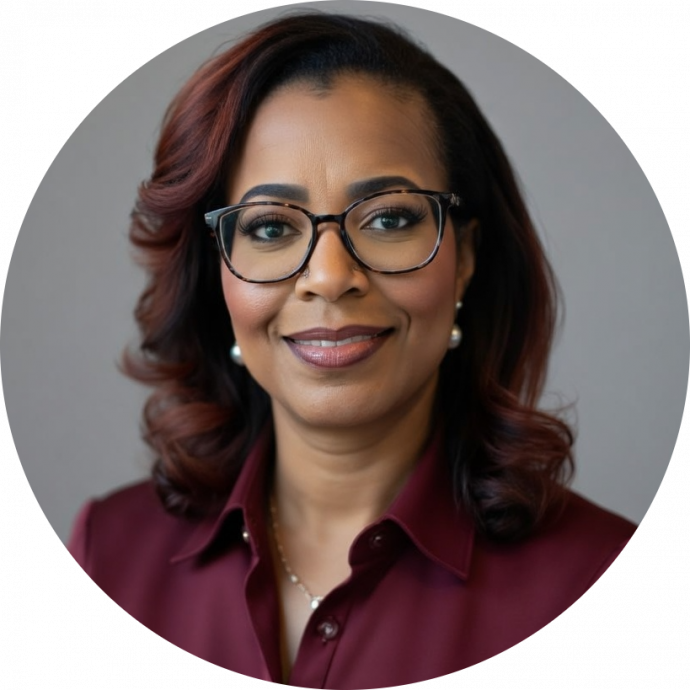
Ashley Gregory
Doctorate of Health Sciences (DHSc), Master of Science in Public Health Education and Promotion (MPH), Certified Health Education Specialist (CHES), Board Certified Patient Advocate (BCPA), Certified Community Health Worker (CCHW)
ARG Health Consulting LLC
Advocate Location
Virginia Beach , VA 23462
Specialty
Medical Guidance
Other Services
Special Care & Aging
TeleAdvocacy Available
Offers FREE Initial Consultation
*Greater National Advocates Terms of Use Apply
How I Can Help
I help individuals and families who feel overwhelmed by a new diagnosis, chronic illness, multiple specialists, or the responsibility of caring for a loved one. If you are unsure what questions to ask, what happens next, or how to make your concerns heard, I provide independent patient advocacy and healthcare navigation to help you move forward with greater clarity and confidence.
Here are 10 practical ways I can help:
1. **Prepare for medical appointments.** I help you create a focused list of symptoms, concerns, and priorities so you can make the most of your visit.
2. **Develop questions for your healthcare team.** I help you prepare specific questions about diagnoses, tests, treatment options, potential side effects, and next steps.
3. **Organize your medical information.** I help you gather medical records, test results, medication lists, and provider contacts into an accessible system.
4. **Build a clear healthcare timeline.** I organize key symptoms, appointments, procedures, and treatment changes so you can share your history more clearly.
5. **Make healthcare information easier to understand.** I help you review medical terminology, visit summaries, and care instructions in plain language and identify questions that need clarification from your provider.
6. **Communicate your concerns.** I help you put your experiences and needs into words, prepare messages to your healthcare team, and request clearer explanations.
7. **Navigate specialists and referrals.** I help you track referrals, identify scheduling requirements, and determine which records or documents are needed before an appointment.
8. **Track follow-up care and transitions.** I help you organize discharge instructions, upcoming appointments, pending test results, and questions following a hospital stay or change in care.
9. **Find resources and address access barriers.** I help you identify transportation, financial assistance, home support, and community resources and understand how to contact or apply for them.
10. **Support family members and caregivers.** I help families organize care responsibilities, maintain shared appointment and task lists, and prepare questions and updates for the healthcare team.
My goal is to help you feel informed, organized, and prepared to actively participate in your healthcare decisions. My services are educational and navigational; they do not replace medical diagnosis, treatment, legal advice, or the services of licensed healthcare professionals.
Important Information About Me
- I offer a FREE Initial Consultation
- I offer TeleAdvocacy Service
- My geographical area of practice is In person within 50 miles; Telehealth offered Nationally
Why I Became A Professional Health Care Advocate
My journey into patient advocacy is deeply personal. Long before becoming a Board-Certified Patient Advocate, I experienced healthcare from the perspective of a caregiver and family advocate. I helped care for both my maternal and paternal grandmothers, experiences that taught me how important it is for patients and families to have someone who listens, asks questions, understands what is happening, and helps ensure that concerns are not overlooked. Over the years, I have also advocated for family members as they navigated healthcare decisions, medical appointments, and complex systems of care.
More recently, my understanding of advocacy has become even more personal through my own journey of living with chronic illnesses and navigating multiple healthcare providers and specialties. I have experienced firsthand how difficult it can be to find answers, communicate symptoms and concerns, coordinate care, and receive appropriate and timely attention when a health situation is complex. Being a healthcare and public health professional does not eliminate those challenges. My experiences have reinforced the importance of asking informed questions, maintaining thorough documentation, seeking clarification, and continuing to advocate when something does not feel right or when additional evaluation is needed.
These experiences allow me to understand patient advocacy from multiple perspectives—as a healthcare and public health professional, researcher and educator, family caregiver, patient advocate, and patient myself. They have shaped the way I support others: with knowledge, preparation, respect, and an understanding that patients and families deserve to be heard and meaningfully involved in their care.
Becoming a Board-Certified Patient Advocate allowed me to bring these experiences together with my professional training. My goal is to help patients and their loved ones navigate healthcare with greater clarity and confidence, communicate effectively with their healthcare teams, understand their options, and ensure their voices remain central to decisions about their health and care.
Address Line 2 (if applicable)
Apt 306
Contact Advocate