

Sarah Koehler
MSN, APRN-C
Next Door Health Advocacy. LLC
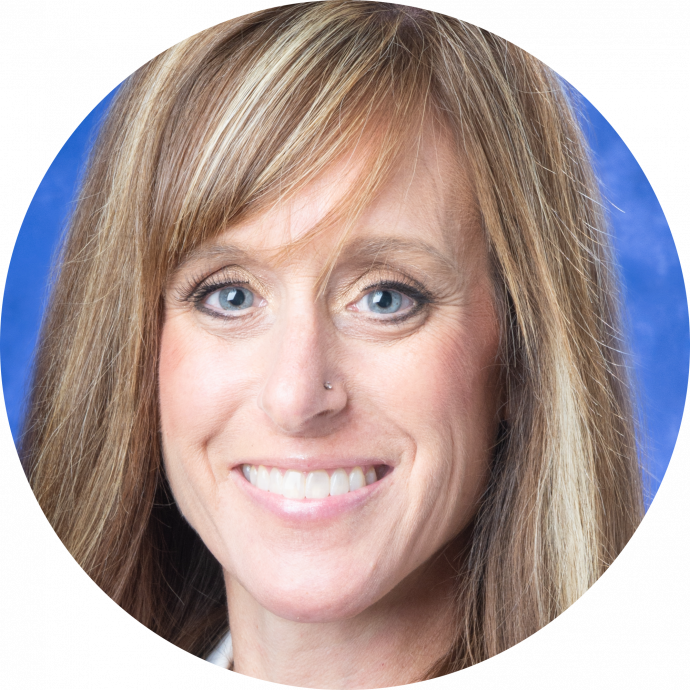
Sarah Koehler
MSN, APRN-C
Next Door Health Advocacy. LLC
Advocate Location
Evansville , IN 47725
Specialty
Special Care & Aging
Other Services
Medical Guidance
TeleAdvocacy Available
Offers FREE Initial Consultation
*Greater National Advocates Terms of Use Apply
How I Can Help
* Understanding Medical Diagnoses: Helping you better understand your health conditions, diagnoses, and what they mean for your care.
* Medical Appointment Preparation: Preparing questions, organizing concerns, and helping you make the most of your healthcare visits.
* Medical Records Review: Reviewing your medical history, records, and test results to help you see the whole picture.
* Medication Review & Education: Helping you understand your medications, their purposes, and questions to discuss with your healthcare providers.
* Treatment Options Research: Exploring available treatment options so you can make informed decisions about your care.
* Healthcare Navigation: Helping you navigate a complicated healthcare system and identify appropriate providers, specialists, and resources.
* Hospitalization & Discharge Preparation: Helping you prepare for hospital stays, understand discharge instructions, and plan for the transition home.
* Care Coordination Support: Helping you organize information and communicate effectively with your healthcare team.
* Advance Care Planning: Helping you explore your healthcare wishes, goals of care, and future medical decisions.
* Patient & Family Advocacy Education: Empowering you and your loved ones with the knowledge and confidence to advocate for your healthcare needs.
Important Information About Me
- I offer a FREE Initial Consultation
- I offer TeleAdvocacy Service
- I am insured
- My geographical area of practice is Southwest Indiana and surrounding areas
Why I Became A Professional Health Care Advocate
Advocacy has always been woven into the fabric of my nursing practice. Throughout my career, I've found that some of the most meaningful moments haven't necessarily involved providing medical treatment, but rather recognizing when someone needed a voice, asking questions others hadn't thought to ask, or simply making sure a person was seen, heard, and understood.
I remember caring for a young man with autism who had been hospitalized following a behavioral incident. There was discussion that he could face jail time if his caregiver was unable to take him home. As I reviewed his care, I discovered that he hadn't been receiving the medications he normally took to help regulate his mood and behavior. I contacted his primary care provider, obtained his medication list, and advocated for his treatment to be addressed. I remember telling my fellow nurses that I would lay down dead in front of the hospital doors before I would let that young man be taken to jail.
That may sound dramatic, but I believed he deserved someone willing to look beyond his behavior and understand the whole person.
Years later, advocacy became deeply personal.
In late 2018, just weeks before her 100th birthday, my grandmother was hospitalized with complications from influenza. Initially, we hoped she would recover and return home. But within a couple of days, I recognized a change in her appearance. It was a look I had seen before in patients approaching the end of life.
I remember her looking directly into my eyes and mouthing two words: "Help me."
My grandmother had spent my entire life caring for me, and in that moment, I knew it was my turn to care for her.
Despite having a family full of medical professionals, including both of my parents, who are physicians, navigating her hospitalization was still difficult. I recognized that she was experiencing unnecessary discomfort from painful thrush and that changes to her usual pain medication regimen had left her with inadequate symptom control. I spoke with her medical team, advocated for adjustments, and stayed close to ensure she was comfortable.
Eventually, we made the decision to focus on comfort rather than aggressive treatment. She was transferred to the palliative care unit, where we were given several precious days to simply be together. She was comfortable, and so were we, even as we faced the sadness of losing her.
That experience reinforced something I had come to understand throughout my career: medical knowledge doesn't necessarily make it easier when the person in the hospital bed is someone you love. Even those of us who work in healthcare can find it difficult to think objectively when emotions, fear, and uncertainty are involved.
And sometimes, families don't want to be responsible for evaluating every medical decision, asking every question, or making sense of every detail. They just want to be present with the person they love.
That's part of why I created Next Door Health Advocacy.
I want to help individuals and families make sense of complicated medical information, avoid unnecessary confusion and expense, and feel more confident navigating their healthcare. I want them to have someone in their corner who will listen carefully, look at the whole picture, and help them ask the right questions.
Most importantly, I want the people I work with to feel safe, supported, and genuinely cared for.
Because whether I'm caring for a patient or advocating for a client, I've always believed that everyone deserves the same attention, dignity, and compassion I would want for someone in my own family.
Contact Advocate