

Why Are We Always Waiting in Healthcare?
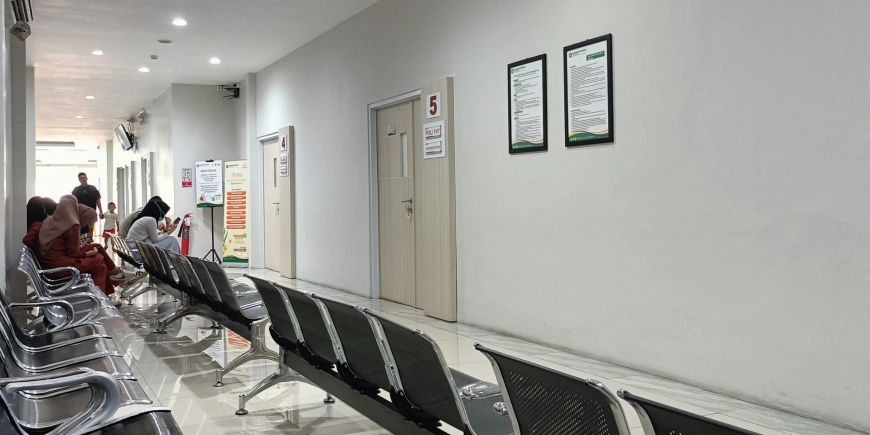
If you’ve ever sat in a waiting room staring at a clock that seems frozen in time, you’re not alone. Whether it’s waiting weeks for an appointment, hours in patient room, or days for test results, waiting has become a defining feature of modern healthcare. How about waiting for a call back from a Doctor’s office, that never happens?
But why is this so common, and more importantly, does it have to be?
Waiting Isn’t Just Inconvenient, It’s Emotional
Waiting in healthcare isn’t like waiting in line at the grocery store. It’s layered with anxiety, vulnerability, and uncertainty. Patients aren’t just waiting for a name to be called; they’re waiting for reassurance, answers, relief, or sometimes life-altering news.
For many patients, waiting can feel dismissive, like their time, comfort, or fear doesn’t matter. And for individuals with trauma histories, cognitive impairments, or specific personal boundaries, prolonged waiting without communication can feel unsafe.
The Systemic Reasons Behind the Wait
Healthcare delays are rarely caused by one single issue. They are usually the result of a system under strain:
- Overbooked schedules are designed to compensate for no-shows
- Chronic staffing shortages, especially among nurses and support staff
- Administrative burdens, including documentation and insurance requirements
- Poor staff training and inefficient logistics
- The need to prioritize emergencies, which is essential but often poorly communicated
These realities help explain delays, but they do not erase the patient experience. Understanding the “why” behind waiting does not make the waiting any less distressing when patients are left in the dark.
The Communication Gap
One of the most frustrating aspects of waiting is not the delay itself, but the silence around it.
A delay explained is different from a delay ignored.
Too often, patients are left alone in exam rooms with no updates, no expectations, and no acknowledgment that time is passing. Even a brief check-in, “We’re running about 20 minutes behind, and here’s why,” can restore a sense of dignity and reduce anxiety.
Communication does not eliminate delays, but it does prevent patients from feeling forgotten.
When Waiting Becomes a Risk
Many diagnoses and treatments in healthcare are time-sensitive. Delays can change outcomes sometimes significantly. Infections progress. Pain escalates. Neurological and cardiac symptoms evolve. Mental health crises deepen.
Yet from the patient’s perspective, that urgency is often invisible.
Instead, patients experience long stretches of waiting with vague reassurances that “someone will be in shortly,” concerns that are minimized, or symptoms reframed as non-urgent. What may be happening behind the scenes feels irrelevant when no one communicates what is happening or why the wait is necessary.
This is where waiting crosses a line.
When time matters, and patients are left uninformed, the message received is not neutrality; it is dismissal. And dismissal carries consequences.
Patients begin to question their own symptoms. They hesitate to speak up for fear of being labeled difficult or demanding. Some leave before being seen. Others endure prolonged distress that could have been mitigated with timely attention or clear communication.
In a system where minutes can matter, lack of communication is not a minor inconvenience—it is a patient safety issue.
Waiting as a Trust Issue
Extended or poorly managed waiting doesn’t just affect outcomes—it erodes trust. When patients feel dismissed, they are less likely to engage fully in their care, disclose concerns, or return for follow-up. Trust, once lost, is difficult to rebuild.
Healthcare is not just about clinical decisions. It is about relationships. And those relationships are shaped in moments when patients feel most vulnerable, often while waiting.
What Patients Aren’t Asking For
Most patients are not asking for perfection. They understand that emergencies happen, schedules run behind, and systems are complex.
What they are asking for is far simpler:
- Transparency
- Respect
- Communication
- Acknowledgment that their time, symptoms, and well-being matter
Patients should not have to advocate forcefully just to be seen, heard, or taken seriously.
What Healthcare Could Do Better
Small changes can make a meaningful difference:
- Clear explanations when delays occur
- Regular check-ins during extended waits
- Consent and communication before entering patient spaces
- Workflow designs that center on patient experience alongside efficiency
Waiting may sometimes be unavoidable.
Being dismissed is not.
A Question Worth Asking
So the question isn’t just why we’re always waiting in healthcare. It’s why waiting has been normalized without addressing how it affects the people at the center of care, the patients.
Because healthcare isn’t just about treatment. It’s about trust.
How an Experienced Private Patient Advocate Can Help
This is where Pathway Patient Advocates, private patient advocates, play a critical role. Patient advocates help ensure that concerns are heard, questions are answered, and time-sensitive issues are clearly communicated within an often-overwhelming healthcare system. By serving as a consistent presence, advocates can help reduce delays caused by miscommunication, support patients in speaking up without fear of dismissal, and ensure care decisions reflect both medical urgency and patient dignity. In a system where waiting is common and navigation is complex, patient advocacy helps shift the experience from passive waiting to informed, supported care, restoring trust, clarity, and a sense that patients are not facing healthcare alone.
Bio: Dr. Elena Borrelli DMSC, MS, PAC, BCPA is the founder of Pathway Patient Advocates. She has over 20 years of experience in the medical field, spanning both clinical and administrative roles. Dr. Borrelli has experience in a variety of healthcare settings. Her primary focus is to assist clients who are dealing with chronic conditions, rare disorders, cancer, or undiagnosed symptoms. To learn more, visit Pathway Patient Advocates' website at pathwaypa.com, give hera call at (947) 517-8395, or email advocate@pathwaypa.com.
At Pathway Patient Advocates, you have access to not 1 but 2 patient advocates with separate specialties; therefore, your advocates are experienced not only in the medical aspect of healthcare but also in the administrative side, including insurance and billing. These experienced patient advocates can help you locate providers and resources that best address your specific situation and do so in the most cost-efficient way for you.