

How to Understand Medical Bills After a Serious Diagnosis
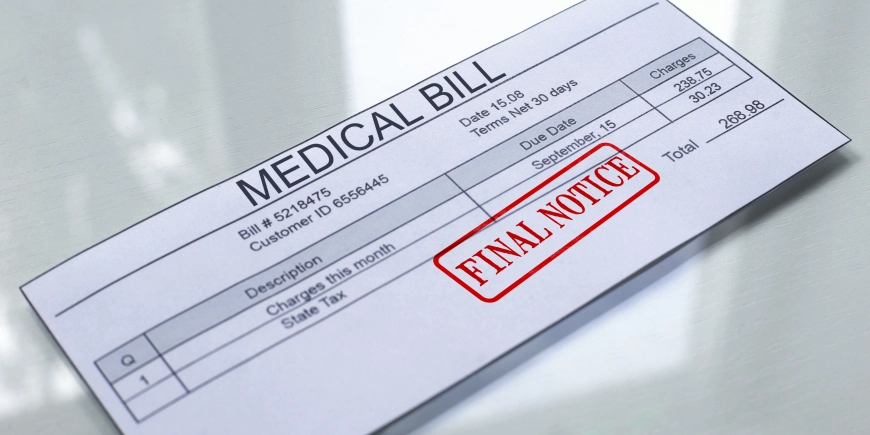
After receiving a major diagnosis, most patients expect the most challenging part to be the treatment itself. But what follows—an avalanche of medical bills, insurance statements, and provider invoices—can be just as exhausting as the treatment and recuperation.
When you’re trying to heal, sorting through paperwork shouldn’t be another challenge — yet it often is.
Why You Get So Many Bills
During treatment, you may see many different providers — doctors, surgeons, labs, and therapists. Each one sends its own bill, often at different times.
You might receive:
A hospital bill for the room, nursing care, and equipment
A surgeon’s bill for their time and skill
Anesthesia, radiology, or therapy bills
Consulting specialist bills
Although all these services relate to a single hospital stay, each provider uses its own billing system. That’s why medical bills rarely look alike.
How Health Insurance Companies Add to the Confusion
Even with good insurance, billing can still be messy. Some providers may not be in your network, which can raise your costs.
Other times, your insurance company may delay or deny payment, sending the bill back to you to address.
Tip: Always check that every provider is in-network and that claims have been processed before paying anything yourself.
My Story: What I Learned From My Own Healthcare Journey
When I had an AVM resection at age 24, I was on an HMO plan. Every test and visit needed pre-approval, and bills piled up fast.
I spent hours each week calling my insurance company, tracking claims, and fixing coding errors. That experience opened my eyes to how confusing medical billing is — and why patients need advocates who understand the system.
It’s what led me to my work in healthcare administration and patient advocacy today.
Understanding Medical Billing Codes
Every charge on your bill comes from a medical code. These codes tell the insurance company what care you received.
If one code is entered incorrectly, your claim might be denied, or you could be billed for something you don’t owe. That’s why it’s so important to review your bills carefully.
Common Billing Problems to Watch For
Duplicate bills – two charges for the same visit
Out-of-network providers – even in in-network hospitals
Balance billing – being charged the difference between what insurance paid and what the provider billed (not always allowed)
Timing issues – getting a bill before insurance finishes processing
Coding errors – one wrong number can cause a denial
How to Stay Organized
You can take control of your medical bills with a little structure:
Create a folder or binder for all bills and insurance letters.
Match every bill to your Explanation of Benefits (EOB).
Keep a call log – write down who you spoke with, when, and what was said.
Ask for itemized bills if charges are unclear.
Track everything in a notebook or spreadsheet.
Don’t ignore statements – some are just updates, not final bills.
Call insurance directly if payments are delayed.
Insurance and Billing Services – The Elder Care Advocate
Quick Frequently Asked Questions About Medical Billing
What if I get a bill before insurance pays?
Wait before paying. Call the provider’s billing office to confirm that the claim has been submitted to the insurance company and, if applicable, your secondary insurance company.
What’s the difference between an Explanation of Benefits (EOB) and a bill?
Your insurance company issues an EOB that shows what was billed and what was paid.
On the other hand, a bill is an invoice from your provider and a formal payment request.
Can I ask for financial help from the hospital to cover a bill?
Yes. Many hospitals offer financial assistance or charity care programs. Ask if you qualify.
How can I appeal a denied claim?
You should find the process for appealing a claim your insurance company denied in your member handbook. Once you review the information, you can submit an appeal to your insurance company with supporting documents, such as medical notes or a doctor’s letter to explain the rationale for the claim. Keep detailed notes of every step.
You Don’t Have to Handle It Alone
Medical billing is complicated — but you don’t have to face it by yourself. With good organization, persistence, and guidance, you can make sure your bills are correct and your insurance pays fairly.
If you would like to learn more about addressing billing issues, you can contact me at Elder Care Advocate.
Thank you for reading!
Bio: Nadine Bradburn, BCPA, MHA, is the owner of Elder Care Advocate. At The Elder Care Advocate, we help seniors and families untangle medical bills, insurance disputes, and ensure care is coordinated to meet your or your loved one's needs. If you’re overwhelmed by paperwork, we can help you find clarity — so you can focus on what matters most: healing and quality of life. Visit Elder Care Advocate for personal guidance at https://theeldercareadvocate.com.