

Sepsis: How Well Do You Know It? How Scared Should You Be?
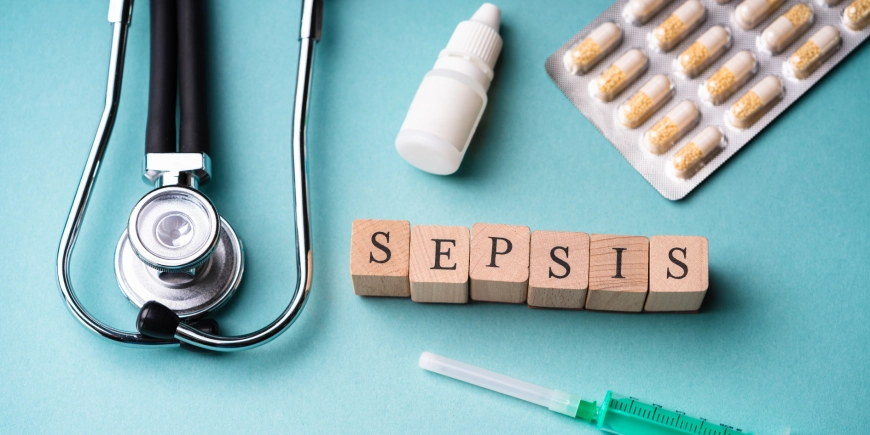
Sepsis has gained increasing awareness over the past 25 years. Despite this, there is still much to improve in how to best prevent and manage sepsis. Knowledge is key and can help prevent death from this suddenly presenting and rapidly progressing condition.
What is Sepsis
Sepsis is defined as a rapidly progressing, life-threatening condition that occurs when the body overreacts to an infection. This can quickly lead to widespread organ damage and even death. There are different terms associated with sepsis.
- Systemic Inflammatory Response Syndrome (SIRS): SIRS is an exaggerated defense response that your body experiences secondary to a stressor. This leads to inflammation throughout your body. There are various types of stressors that can trigger SIRS, including infection, surgery, and cancer.
- Sepsis: When the source of the inflammation is an infection, the proper term is Sepsis.
You may think that “infection” is quite general. So, what type of infection are we referring to? Well, Sepsis can be caused by any one of a variety of infections.- Common causes of infection are
- Urinary tract infections (UTI), such as bladder infections
- Pneumonia
- Wounds (from skin breakdowns or surgical wound infections)
- Common causes of infection are
- Severe Sepsis: Severe sepsis occurs when signs of organ damage are present in conjunction with sepsis. Any organ can be affected, and many times, more than one organ system is affected. Some possible organs include the kidneys, heart, brain, lungs, and liver.
- Septic Shock: This is the most severe form of sepsis, where the body develops an extreme reaction to an infection. Septic shock can cause dangerously low blood pressure, and immediate medical care is needed.
How Serious Is Serious?
Sepsis can develop very quickly and can become life-threatening. Immediate medical care and evaluation are necessary. The critical window for starting treatment for severe sepsis is within 3 hours; the sooner the better.
According to a 2024 article published in the National Center for Biotechnology Information, septic shock still carries a greater than 40% mortality rate.
Know the Signs
Knowledge is power and can save lives. It is important to become familiar with the signs of sepsis and what to look out for. A widely used acronym to help remember the symptoms of sepsis is TIME:
T-I-M-E
- Temperature — This includes a temperature that is EITHER higher (like a fever) or lower than normal. Often, the lower-than-normal body temperature is forgotten about as a symptom.
- Infection — Even a suspected source of an infection counts. You do not have to have a confirmed infection. For example, if someone has burning with urination, but no confirmed bladder infection yet, this would still count as meeting infection criteria for concern.
- Mental Decline — This includes acting out of the ordinary. Especially in the elderly, confusion is often the first sign of an infection. Symptoms of mental decline include confusion, sleepiness, and difficulty waking.
- Extremely ill-This includes symptoms such as severe pain, discomfort, or shortness of breath.
A combination of the symptoms above warrants concern for sepsis.
Working Together
Working together helps save lives. If you or someone you know is experiencing symptoms of sepsis, contact immediate medical help and let a medical professional know that you are: Concerned about sepsis.
Timely intervention is key. Starting treatments, including antibiotics and IV fluids immediately, has been shown to drastically reduce the progression to septic shock and decrease mortality.
Despite sepsis being a medical emergency, there is still much room for education in both the clinical field and the community. Do not be afraid to share knowledge and speak up. Many resources are available to remind of sepsis criteria that can be placed on refrigerators or pockets. If your loved one has a companion caregiver or home aid, check with them to see if they are familiar with what signs to be aware of that may indicate sepsis.
Be prepared and work together with your team. A private patient advocate can assist with implementing measures to help prevent sepsis and improve communication, and be an absolutely critical resource if an emergency room trip becomes necessary.
To learn more about Sepsis, visit The Sepsis Alliance at https://www.sepsis.org.
Dr. Elena Borrelli DMSC, MS, PAC, BCPA is the founder of Pathway Patient Advocates. She has over 20 years of experience in the medical field in both clinical and administrative settings. Dr. Borrelli has experience in a variety of healthcare settings. Her main focus is to assist clients who are dealing with chronic conditions, rare disorders, cancer, or undiagnosed symptoms. To learn more, visit Pathway Patient Advocates' website at pathwaypa.com, call at (947) 517-8395 or email advocate@pathwaypa.com