

When Clinician Burnout and Moral Injury Subtly Affect Amputees
Health care systems are under increasing strain, and professional discussions continue to highlight rising clinician burnout across disciplines.
In addition to burnout, many clinicians are also experiencing what is called moral injury — emotional distress that occurs when a provider repeatedly feels unable to offer the level of care they believe their patients deserve because of systemic pressures, time constraints, or institutional demands.
Burnout does not mean a provider does not care. Often, it means they care deeply and are overwhelmed.
Moral injury does not mean a clinician lacks integrity. It often means their values are in conflict with the realities of the system they are working within.
But here is what we do not talk about enough:
When clinicians are stretched thin, amputees can feel it.
It may show up as shorter appointments, fewer follow-up questions, subtle prosthetic concerns being overlooked, or feeling dismissed when something does not feel right.
Amputees are already managing mobility changes, identity shifts, chronic pain, insurance barriers, fear of falling, and emotional adjustment. When communication weakens, even slightly, the amputee may begin to question themselves. They may minimize discomfort. They may stop asking questions. They may assume the problem is “just me.”
Prosthetic problems are not always obvious. Emotional strain is not always visible. Subtle issues can build slowly over time.
This is where amputee coaching becomes important.
Amputee coaching does not replace your healthcare team. It does not interfere with clinical decision making. Instead, it supports you in navigating complex care with clarity and confidence.
An amputee coach can help you:
• Clarify concerns before appointments
• Recognize patterns over time
• Separate prosthetic challenges from body-related changes
• Prepare thoughtful questions
• Process difficult visits afterward
• Reduce self-blame
We are all different. Each amputee brings a unique history, different activity levels, different medical complexities, and different emotional resilience.
When care feels rushed, confusing, or overwhelming, having grounded, experienced support can change the trajectory of your experience.
You deserve to feel heard.
You deserve clarity.
You deserve to understand what is happening in your own body.
If you are navigating complex amputee care and feel uncertain or unheard, additional support may help you regain confidence and direction.
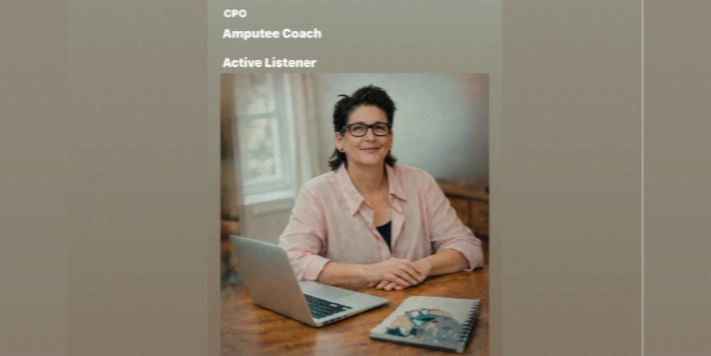
~ Lynn DeCola, CPO | Amputee Coach
Lived experience, lifelong learning, and a commitment to improving quality of life after amputation for over 30 years.
Facebook and Zoom:
Amputees Preparing Amputees 4 Life
APA4L: Single-Leg Above Knee Amputees
Coaching, education, and second opinions only. I do not provide direct clinical care or deliver prosthetic services. All prosthetic treatment and device adjustments are provided by the client’s prosthetist.