

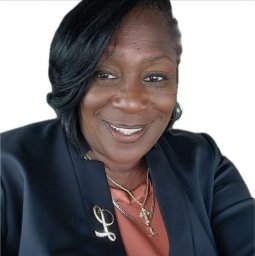
Lynn Sistruck
CPPN
Stratford, Connecticut
Member since
1 follower
• No channels
Specialty
Survivor Support
Other Services
Special Care & Aging
About me
I became a patient advocate because I know firsthand what it feels like to hear the words, “You have breast cancer.”
At 38 years old, my life changed in a moment. I found myself navigating a healthcare system filled with appointments, questions, decisions, treatments, emotions, and uncertainty. There were times when I needed someone to help me understand what was happening, speak up for me, or simply remind me that I was not alone.
My journey taught me that sometimes patients don't just need medical care—they need someone in their corner.
That realization became a calling.
Today, as a Certified Professional Patient Navigator, I use both my professional knowledge and my lived experience to help others navigate their healthcare journeys. I advocate for patients, connect them with resources, help them find answers, and encourage them to use their voice.
I became an advocate because I remember what it felt like to need one.
My passion is making sure that no patient feels forgotten, unheard, or alone. If I can make someone's journey a little less frightening, help them find a resource they didn't know existed, or simply sit beside them and say, “You don't have to walk this road alone,” then everything I have experienced has a greater purpose.
My journey didn't end with cancer. It became part of my purpose.
Today, I don't just tell people to have hope—I help them find it.
Formal Education
University of Colorado Anshultz Medical College, Patient Navigator Course
Language Proficiency
- Spanish
Additional Skills
Assesses patients’ needs and helps them develop goals and a plan for navigating their healthcare journey.
Advocates for the patient, helping make sure their questions, concerns, and needs are communicated to the healthcare team.
Helps patients overcome barriers to care, which can include difficulty understanding the healthcare system, accessing resources, coordinating services, or knowing where to turn for help. Patient navigation is specifically intended to reduce these barriers and improve patient outcomes.
Connects patients with community resources and support, particularly resources that can help patients and families during and after a cancer diagnosis.
Provides education and encouragement, helping people become more informed and empowered participants in their healthcare.
Supports breast cancer survivors, including through survivor-focused support groups and community outreach.
Bridges the gap between the healthcare system and the community, particularly for people who may need additional support understanding or accessing care.
Important Information About Me
- I offer a FREE Initial Consultation
- I offer TeleAdvocacy Service
- My geographical area of practice is Connecticut