I would bet a lot of us lived experience advocates specialize, either partially or entirely, in our own diseases. I specialize in chronic pain and complex illness, so between my personal life and my work, not to mention the education I pursue and my involvement in the wider world of systemic advocacy, it can feel like it's all pain all day, one way or another.
I know for me, the work takes, but it also gives back. The increased burden on my body is counterbalanced by how diving into the work can stave off the pain. But like everything, it's a balance, and it's certainly not one that I've mastered. I hope that balancing act is something we can talk more about here.
I think you brought up another really important point of discussion. For those of us who do specialize in our own diseases, who see all the different forms it can take and things that can go wrong, and for whom, as is the case for me, our diseases have no easy answers and no cures — how do we cope with looking into the possible futures that we're repeatedly confronted with? How do we keep hope alive, both within ourselves, and for our clients, while remaining respectful and honest about reality?
Likewise AnnMarie, I'm so grateful you helped make this dream become a reality.
Wow, I can't imagine what it must have been like to have a firsthand seat to the rapidly evolving landscape of EDS over the past 25 years, as an early-diagnosed EDS patient yourself and an active member of the advocacy community. It makes me wonder, to use your own words, how we adapt and adjust to such rapid changes, both as patients and as advocates.
Thank you, John. I feel so lucky to have formed such a close personal and professional relationship with you, which would never have happened had it not been for this wonderful advocacy community.
I have for a very long time been limited to working from the most comfortable space I can create. It's often the couch — the couch I picked specifically for this reason, with maximum comfort in mind. These days more and more, when I don't have the spoons to transfer to the couch, the bed is my second work home.
I love the idea of trading services with another advocate. During my last week-long hospitalization I reached out for help from a fellow advocate (you know who you are and I'm forever thankful). Even advocates need advocates. The pain took away my ability to really communicate, and when you're the one in that bed, I think your power is limited.
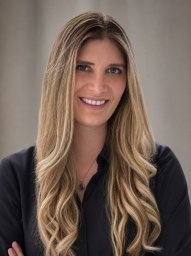


I would bet a lot of us lived experience advocates specialize, either partially or entirely, in our own diseases. I specialize in chronic pain and complex illness, so between my personal life and my work, not to mention the education I pursue and my involvement in the wider world of systemic advocacy, it can feel like it's all pain all day, one way or another.
I know for me, the work takes, but it also gives back. The increased burden on my body is counterbalanced by how diving into the work can stave off the pain. But like everything, it's a balance, and it's certainly not one that I've mastered. I hope that balancing act is something we can talk more about here.
I think you brought up another really important point of discussion. For those of us who do specialize in our own diseases, who see all the different forms it can take and things that can go wrong, and for whom, as is the case for me, our diseases have no easy answers and no cures — how do we cope with looking into the possible futures that we're repeatedly confronted with? How do we keep hope alive, both within ourselves, and for our clients, while remaining respectful and honest about reality?
Wow, I can't imagine what it must have been like to have a firsthand seat to the rapidly evolving landscape of EDS over the past 25 years, as an early-diagnosed EDS patient yourself and an active member of the advocacy community. It makes me wonder, to use your own words, how we adapt and adjust to such rapid changes, both as patients and as advocates.
I love the idea of trading services with another advocate. During my last week-long hospitalization I reached out for help from a fellow advocate (you know who you are and I'm forever thankful). Even advocates need advocates. The pain took away my ability to really communicate, and when you're the one in that bed, I think your power is limited.