


When Research Grade Search Tools Meet Patients and Advocates - FOR FREE - everyone wins
gnanow.org/podcast/ai-healthcare-and-the-power-shift-patients-didn-t-know-they-needed.html
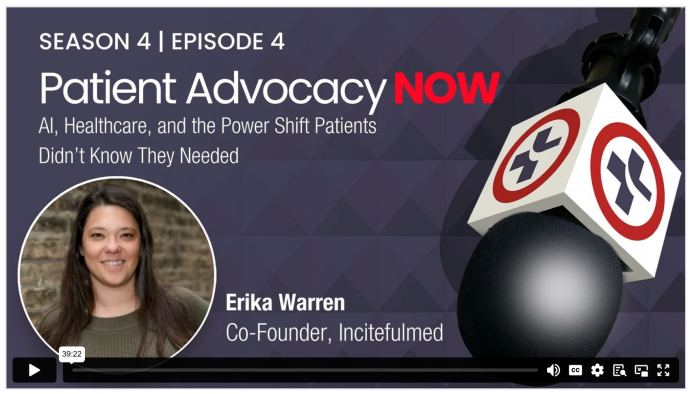
This conversation explores the growing gap between patients and the medical system, and how access to reliable information can fundamentally change that dynamic. A new tool is introduced that functions like a research-backed AI assistant, pulling directly from peer-reviewed medical literature rather than unverified internet sources. The goal is to give patients confidence in what they’re reading and help them communicate more effectively with doctors, especially in time-constrained appointments where clarity matters most.
The discussion highlights a major issue in modern healthcare: incentives are often misaligned. Doctors operate within time, financial, and liability constraints, while patients are left navigating fear, confusion, and a flood of unreliable information. The result is a system where many people feel dismissed, overwhelmed, or forced to advocate for themselves without the right tools. By making medical research more accessible and understandable, patients can move from passive recipients of care to active collaborators in their own health decisions.
The conversation also addresses the risks of general AI tools in healthcare, particularly their tendency to generate confident but sometimes inaccurate information. In contrast, a research-grounded approach prioritizes transparency, sourcing, and accuracy, even if that means saying “there is no evidence.” Looking ahead, the vision is a shift toward more personalized, patient-driven care where individuals are informed, empowered, and better equipped to define their own health goals rather than relying solely on a one-size-fits-all system.
But the truth is, as advocates, we have so much to do and often very limited time to do it. For me, AI has become a helpful part of my daily routine and has supported me in becoming more efficient and organized in my work.
At the same time, I strongly believe these tools need to be used carefully and responsibly. AI can make mistakes, so it is important to review, verify, and apply our own professional judgment before relying on any information it provides.
I started using Inciteful Med a couple of weeks ago, and so far, I have found it to be a very comprehensive and helpful tool. The resources and suggestions it provides seem to be high quality and very useful.
I would love to hear from other fellow advocates: Have you used Inciteful Med or any other AI tools in your daily work? Which tools have you tried, and what has your experience been like?