Hi Lisa,
I really appreciate this reflection and the invitation to have this conversation.
What I’ve come to understand over time is that while our business models may look different on the surface, the deeper question is often less about how we structure our work and more about how we show up within it.
In my own practice, I’ve found that independence allows me to remain fully aligned with my clients ' needs and beliefs, especially in complex and evolving situations. That alignment becomes particularly important when decisions are being made under pressure, or when clarity is still developing.
At the same time, I’ve come to respect that there are many ways to do this work well. Different models can serve different populations, access points, and levels of need.
What seems to matter most — regardless of model — is whether the advocate is able to:
— bring clarity into complex situations
— support informed, values-aligned decision-making
— and ensure the patient’s voice remains present, especially when it’s at risk of being overshadowed
Perhaps the real strength of our field is not in choosing one model over another, but in recognizing that each plays a role in meeting patients and families where they are.
Because in many cases, the difference isn’t the model—it’s whether understanding is present when decisions are being made.
Hi Andrew.
This is a great question, and one that often comes up when advocates are building a practice.
In my experience, relationships with elder law attorneys develop much the same way they do with physicians — through professional trust over time, rather than through direct outreach or referral requests. Most attorneys already have established networks and tend to refer within circles where they know the other professional and feel confident in their work.
What I’ve found most effective is approaching the relationship from a collaboration perspective rather than a referral perspective. Take time to understand the types of situations their clients face — complex medical decisions, hospitalizations, long-term care transitions, and family dynamics.
When attorneys see that a patient advocate can help families navigate the healthcare system — communication with providers, care coordination, and stabilizing complicated situations — the role of the advocate becomes much clearer, and the relationship develops naturally.
As with most professional partnerships, referrals tend to follow once the relationship and trust are established.
In my own experience, the strongest professional relationships tend to grow from shared commitment to supporting families through some of their most complex and vulnerable moments.
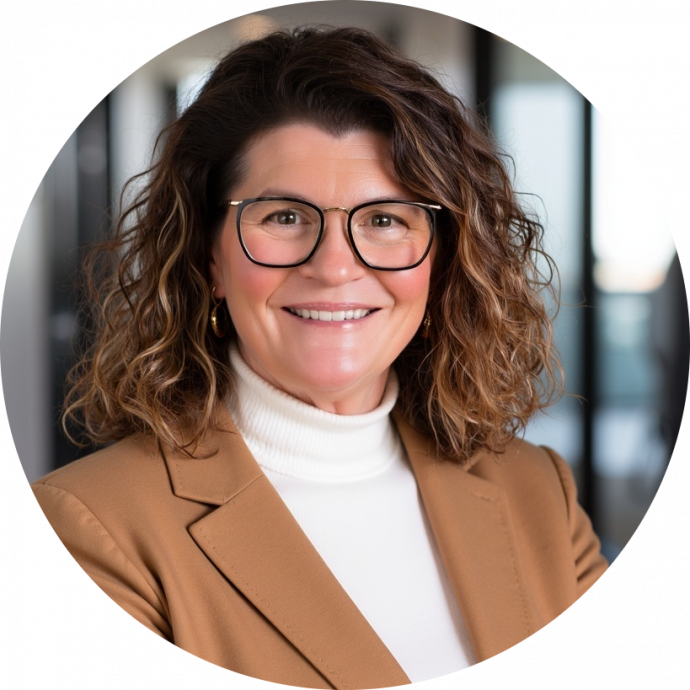
Hello everyone — I’m CarolAnne Dube, MS, BCPA, founder of Patient Advocates of Southwest Florida (PAoSWFL). I’m glad to be part of PA360 and to learn alongside this community.
My path into patient advocacy was shaped both professionally and personally. After years working in healthcare leadership and clinical environments, I also experienced firsthand what it means to navigate the healthcare system as both a care partner and a patient myself. Those experiences revealed how overwhelming and fragmented healthcare can feel, even for those who understand the system from the inside.
That became my “why” and led me to independent advocacy, where I help medically complex clients and families find clarity, confidence, and steadiness amid uncertainty.
Today, I provide healthcare navigation and patient advocacy services through PAoSWFL, supporting individuals and care partners as they make difficult medical decisions, communicate effectively with providers, and move forward with greater understanding and confidence.
I always look forward to learning from and connecting with each of you.
www.patientadvocatesofswfl.com


I really appreciate this reflection and the invitation to have this conversation.
What I’ve come to understand over time is that while our business models may look different on the surface, the deeper question is often less about how we structure our work and more about how we show up within it.
In my own practice, I’ve found that independence allows me to remain fully aligned with my clients ' needs and beliefs, especially in complex and evolving situations. That alignment becomes particularly important when decisions are being made under pressure, or when clarity is still developing.
At the same time, I’ve come to respect that there are many ways to do this work well. Different models can serve different populations, access points, and levels of need.
What seems to matter most — regardless of model — is whether the advocate is able to:
— bring clarity into complex situations
— support informed, values-aligned decision-making
— and ensure the patient’s voice remains present, especially when it’s at risk of being overshadowed
Perhaps the real strength of our field is not in choosing one model over another, but in recognizing that each plays a role in meeting patients and families where they are.
Because in many cases, the difference isn’t the model—it’s whether understanding is present when decisions are being made.
This is a great question, and one that often comes up when advocates are building a practice.
In my experience, relationships with elder law attorneys develop much the same way they do with physicians — through professional trust over time, rather than through direct outreach or referral requests. Most attorneys already have established networks and tend to refer within circles where they know the other professional and feel confident in their work.
What I’ve found most effective is approaching the relationship from a collaboration perspective rather than a referral perspective. Take time to understand the types of situations their clients face — complex medical decisions, hospitalizations, long-term care transitions, and family dynamics.
When attorneys see that a patient advocate can help families navigate the healthcare system — communication with providers, care coordination, and stabilizing complicated situations — the role of the advocate becomes much clearer, and the relationship develops naturally.
As with most professional partnerships, referrals tend to follow once the relationship and trust are established.
In my own experience, the strongest professional relationships tend to grow from shared commitment to supporting families through some of their most complex and vulnerable moments.
My path into patient advocacy was shaped both professionally and personally. After years working in healthcare leadership and clinical environments, I also experienced firsthand what it means to navigate the healthcare system as both a care partner and a patient myself. Those experiences revealed how overwhelming and fragmented healthcare can feel, even for those who understand the system from the inside.
That became my “why” and led me to independent advocacy, where I help medically complex clients and families find clarity, confidence, and steadiness amid uncertainty.
Today, I provide healthcare navigation and patient advocacy services through PAoSWFL, supporting individuals and care partners as they make difficult medical decisions, communicate effectively with providers, and move forward with greater understanding and confidence.
I always look forward to learning from and connecting with each of you.
www.patientadvocatesofswfl.com