Curable is an excellent resource and one that I also use. Just a clarification: It is free for «clinicians» (the term is used loosely, and they consider advocates to fall in that category). As a «clinician», you can «gift» 6 weeks free to clients. They have a very active clinician community full of support, advice, and tips.
A note on ACPA- they have some great resources all available for public use. They have a great selection of PDF handouts for clients to use in communicating about their specific condition. Under their resources, they also have the ACPA Stanford Guide, a fabulous handbook for anyone working with pain patients. I keep a printed version as a desk reference, but I also save it to my favorites because it includes numerous valuable resource links.
I second and agree with all of what Jennifer said. I mostly work with pain patients and created an acronym called PAINT to help clients track their pain in a way that provides specific, measurable data that helps providers see the full picture and spot treatment patterns.
Place – Where it is, where it radiates
Activity Impact – What it limits you from doing (work, sleep, and mobility)
Intensity – Average/best/worst levels (0-10 or descriptive words)
Nature – Quality of the pain (burning, stabbing, radiating)
Triggers & Treatments – What brings it on and what relieves it
Other things to track:
Date & time (spot patterns/triggers)
Duration & frequency
Associated symptoms (fatigue, GI issues, brain fog, mood)
Interventions tried + effectiveness
I've found this helps to outline the functional and emotional impacts of their pain and put it into better context for providers. Most of the providers I talk with aren’t uncaring. They’re caught between a rock and a hard place with a patient in pain and a system that has made them nervous or fearful. Many have watched this overdose crisis unfold, and some have even been told by their practice not to take on new opioid patients at all. I generally approach with curiosity and am usually able to learn what’s really driving the hesitation, which gives me something to work with.
Some of their concerns are valid, like the overdose risk, particularly if the person is on higher doses or also taking sedatives, has sleep apnea, or a history of substance use. If the latter, I would want to ensure that an ORT was performed. Harm reduction is part of every conversation for any of my clients on or considering opioids. I encourage clients to keep naloxone on their person and at home and make sure they AND their family know how to use it. We talk about not mixing opioids with alcohol, benzodiazepines, or sleep aids, and about how tolerance drops after a break, which makes the old dose incredibly risky. I also always suggest locking up medications, using one pharmacy, and getting rid of leftover pills at a take-back location.
Other concerns hold less weight (fear of regulators when a patient is stable, blanket practice policies, or the idea that physical dependence=addiction). I try to be very diplomatic to start and validate their concerns, but also highlight that the patient in front of them still deserves an individualized plan and not doing so is potentially causing harm.
I do a lot of work helping clients understand when opioids are supported by evidence and when they aren’t. Sometimes even when they don't want to hear it. They tend to make sense for short-term severe pain after surgery or injury, and definitely for cancer pain or end-of-life care. For chronic low back pain, hip or knee pain, not so much. In those instances, I focus on providing the client with research on evidence-based strategies like movement and utilizing other non-drug approaches so they can make informed choices. For someone already stable on opioids, the information is more a starting point for future conversation, but in no way a reason for them to stop suddenly.
I use a lot of pain neuroscience education with clients, including how trauma can keep the nervous system on high alert and make pain more likely. Understanding that pain is protective, not a measure of damage, often eases fear and opens the door to options like physical therapy, movement, acupuncture, CBT, and mindfulness. Duloxetine, topicals, and buprenorphine are definitely worth asking providers about. We also focus on pacing, rest, and giving themselves grace. I wholeheartedly agree with Jennifer about bringing in a pain management or palliative care specialist, but I find timely access to be the biggest hurdle there. Providers don't want to recommend what they don't know, and finding a provider well-versed in these alternatives is far and few between.
As for discontinuation, I am vehemently against abrupt discontinuation. Patients can face withdrawal, uncontrolled pain, and loss of function. Research has linked stopping long-term opioids to higher rates of overdose and suicide deaths. Not only that, but it could cause some people to turn to the street supply (which is often laced with fentanyl), or lead to folks losing whatever remaining trust they had in the healthcare system, neither of which is ideal. There should NEVER be a sudden stop. I am happy to work with providers on a plan, but I always advocate for a slow taper or transition with a strong support plan that is conscientious, sensible, clear, and agreed upon by all parties.
I also use Healthie for both my independent practice and through Umbra. The pricing is very reasonable, and as Ashley said, it has decent functionality. Some aspects of it are a little less user-friendly, but for the most part it is fairly common-sense and easy to figure out. I trialed MyJunna and loved it. I looked into it early on in my business, and at the time, it wasn't cost-effective for me. I do plan to adopt it eventually as my client load picks up.
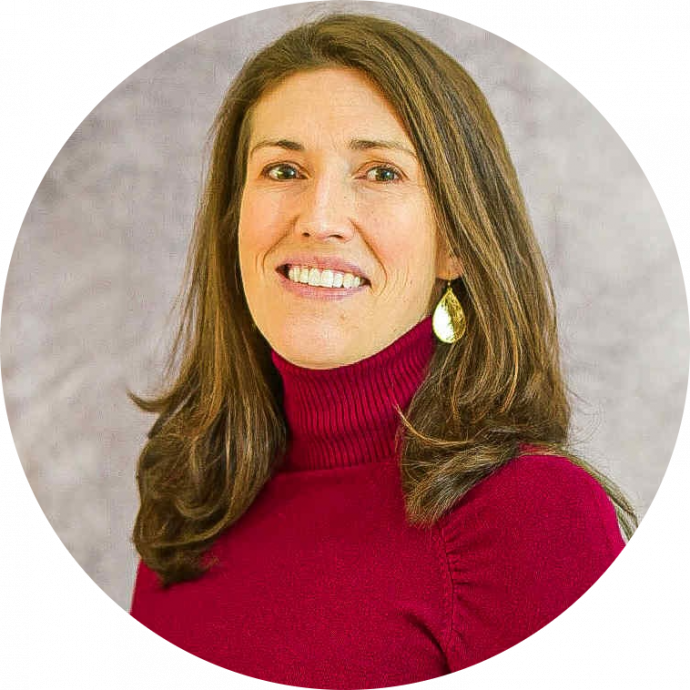
Hi, I'm Amanda Trask, Founder of WellGuide Advocacy, LLC, based in southwestern New Hampshire. I provide patient advocacy services with a focus on chronic pain and complex health conditions, bringing together a background in acupuncture, pain neuroscience, and integrative and complementary health to help clients.
I started my career in higher education and added community health program implementation, with advocacy always in the back of my mind. Early on, the independent advocacy field in my area was small and hospital-based advocates dominated the landscape, so I held off. It took personal and family experience with the healthcare system, along with the disruption COVID brought, to finally push me to open my advocacy business.
I hold a Master's Degree in Acupuncture alongside a Master’s of Science in Pain Research, Education and Policy, and I have training in various alternative medicine modalities, stress management, biofeedback, and mindful meditation. I draw on all of it when it fits a client's needs and goals. I also serve as a community educator with The Care Partner Project, and regularly provide community education on both pain and advocacy.
I'm currently pursuing board certification through the PACB, and I'm genuinely here to learn as much as I hope to contribute. I look forward to connecting with you all and learning with and from you all.


A note on ACPA- they have some great resources all available for public use. They have a great selection of PDF handouts for clients to use in communicating about their specific condition. Under their resources, they also have the ACPA Stanford Guide, a fabulous handbook for anyone working with pain patients. I keep a printed version as a desk reference, but I also save it to my favorites because it includes numerous valuable resource links.
Place – Where it is, where it radiates
Activity Impact – What it limits you from doing (work, sleep, and mobility)
Intensity – Average/best/worst levels (0-10 or descriptive words)
Nature – Quality of the pain (burning, stabbing, radiating)
Triggers & Treatments – What brings it on and what relieves it
Other things to track:
Date & time (spot patterns/triggers)
Duration & frequency
Associated symptoms (fatigue, GI issues, brain fog, mood)
Interventions tried + effectiveness
I've found this helps to outline the functional and emotional impacts of their pain and put it into better context for providers. Most of the providers I talk with aren’t uncaring. They’re caught between a rock and a hard place with a patient in pain and a system that has made them nervous or fearful. Many have watched this overdose crisis unfold, and some have even been told by their practice not to take on new opioid patients at all. I generally approach with curiosity and am usually able to learn what’s really driving the hesitation, which gives me something to work with.
Some of their concerns are valid, like the overdose risk, particularly if the person is on higher doses or also taking sedatives, has sleep apnea, or a history of substance use. If the latter, I would want to ensure that an ORT was performed. Harm reduction is part of every conversation for any of my clients on or considering opioids. I encourage clients to keep naloxone on their person and at home and make sure they AND their family know how to use it. We talk about not mixing opioids with alcohol, benzodiazepines, or sleep aids, and about how tolerance drops after a break, which makes the old dose incredibly risky. I also always suggest locking up medications, using one pharmacy, and getting rid of leftover pills at a take-back location.
Other concerns hold less weight (fear of regulators when a patient is stable, blanket practice policies, or the idea that physical dependence=addiction). I try to be very diplomatic to start and validate their concerns, but also highlight that the patient in front of them still deserves an individualized plan and not doing so is potentially causing harm.
I do a lot of work helping clients understand when opioids are supported by evidence and when they aren’t. Sometimes even when they don't want to hear it. They tend to make sense for short-term severe pain after surgery or injury, and definitely for cancer pain or end-of-life care. For chronic low back pain, hip or knee pain, not so much. In those instances, I focus on providing the client with research on evidence-based strategies like movement and utilizing other non-drug approaches so they can make informed choices. For someone already stable on opioids, the information is more a starting point for future conversation, but in no way a reason for them to stop suddenly.
I use a lot of pain neuroscience education with clients, including how trauma can keep the nervous system on high alert and make pain more likely. Understanding that pain is protective, not a measure of damage, often eases fear and opens the door to options like physical therapy, movement, acupuncture, CBT, and mindfulness. Duloxetine, topicals, and buprenorphine are definitely worth asking providers about. We also focus on pacing, rest, and giving themselves grace. I wholeheartedly agree with Jennifer about bringing in a pain management or palliative care specialist, but I find timely access to be the biggest hurdle there. Providers don't want to recommend what they don't know, and finding a provider well-versed in these alternatives is far and few between.
As for discontinuation, I am vehemently against abrupt discontinuation. Patients can face withdrawal, uncontrolled pain, and loss of function. Research has linked stopping long-term opioids to higher rates of overdose and suicide deaths. Not only that, but it could cause some people to turn to the street supply (which is often laced with fentanyl), or lead to folks losing whatever remaining trust they had in the healthcare system, neither of which is ideal. There should NEVER be a sudden stop. I am happy to work with providers on a plan, but I always advocate for a slow taper or transition with a strong support plan that is conscientious, sensible, clear, and agreed upon by all parties.
I started my career in higher education and added community health program implementation, with advocacy always in the back of my mind. Early on, the independent advocacy field in my area was small and hospital-based advocates dominated the landscape, so I held off. It took personal and family experience with the healthcare system, along with the disruption COVID brought, to finally push me to open my advocacy business.
I hold a Master's Degree in Acupuncture alongside a Master’s of Science in Pain Research, Education and Policy, and I have training in various alternative medicine modalities, stress management, biofeedback, and mindful meditation. I draw on all of it when it fits a client's needs and goals. I also serve as a community educator with The Care Partner Project, and regularly provide community education on both pain and advocacy.
I'm currently pursuing board certification through the PACB, and I'm genuinely here to learn as much as I hope to contribute. I look forward to connecting with you all and learning with and from you all.
Website: www.wellguideadvocacy.com/