Assisted living inspection reports are managed by the states. I will be connecting my free tool to all states in the future but it takes some time! Right now, I have CA and AZ. Comment below with the state you would like to see next. I am really excited about the plain language summary of deficiencies from the tool. Have you guys tried it yet? How can I improve it?
Yes, I'm interested in feedback! Try it out and let me know what worked, didn't work so well, which features should be added! My goal is to create useful, no/low-cost tools for the important work patient advocates do!
Thanks AnnMarie. This is actually a much more expanded version of the infographic I offered a few weeks ago. My toolkit includes a 1 hour deep dive and 4 articles that cover medicare/medicaid, private pay, questions to ask the doctor, appeal templates, coding, and much more.
For my website, I built everything on WordPress using Elementor, hosted on Hostinger, and paired with Google Workspace for domain management (sonoranwayfinders.com). Elementor gives me complete control over my design without needing an expensive developer, while integrating directly with MailerLite so contact forms and email leads route into my system automatically. For billing, I created a custom spreadsheet tailored specifically to patient advocacy workflows that eliminates the need for expensive accounting software. I built it myself to handle automated time-tracking timers for different clients and automated invoice generation, all completely free without monthly subscription fees. It’s been such a game-changer for streamlining my practice that I’m actually thinking about packaging and selling it to help other advocates simplify their back office, too.
AI won’t replace patient advocates. But advocates who use AI will replace those who don’t. You don't need to become a tech genius, you just need to know how to use these tools securely, ethically, and efficiently to protect your time and your practice.
My course, «AI? Piece of Cake,» is built specifically for our profession with zero fluff and straight-to-the-point workflows. Bonus: it earns you 2.0 JEDI CE credits. You'll also qualify for Sonoran Wayfinders' digital badge, Responsible AI Advocate.
David, this is exactly the systemic issue Cheryl is pointing to — and there's an underutilized resource worth knowing about.
The Older Americans Act established the National Long-Term Care Ombudsman Program, staffed by both paid and volunteer advocates. Critically, they work for residents, not facilities. They can address individual resident concerns and pursue systemic facility issues. Complaints feed into state and national trend databases that can drive regulatory action.
As a former Texas ombudsman, I can tell you SNFs were prioritized in caseloads over assisted living, even though both are covered under the OAA. The program is lean, but strategic.
As a first step I recommend looking for the ombudsman contact information typically posted at the facility entrance. Introducing yourself creates a ready partnership for exactly the issues you're describing.
Understaffing explains resource constraints. It doesn't excuse poor care.
Renea Stasaski, BCPA
Sonoran Wayfinders
Advocate's AI Atlas
Hello Kimberlie,
I don't have direct experience, but I wanted to share some internet research I did.
The regulatory environment in North Carolina makes your «Hail Mary» potentially more difficult than it would be in other states because:
1. The North Carolina «Any Willing Provider» Limitation
North Carolina's statutes (specifically N.C.G.S. § 58-51-37) focus on the consumer’s right to choose a pharmacy. While it prevents insurance companies from excluding a pharmacy from their network, it does not mandate coverage for the specific products that pharmacy sells. If a supplement is not on the insurer's formulary, the fact that a North Carolina compounding pharmacy is dispensing it doesn't change its coverage status.
2. The NDC Trap: «Bulk Chemical» vs. «Drug»
The research you found about using an NDC is likely referring to a practice that North Carolina (and most states) has cracked down on.
The Pharmacy Side: A pharmacy can technically bill a claim using the NDC of a bulk powder (like pure L-theanine or Magnesium). The pharmacy software might «accept» this and return a paid status.
The Audit Side: Insurance companies in NC are increasingly using retrospective audits. If they see a claim for an NDC that corresponds to a bulk chemical rather than an FDA-approved drug, they will flag it as an «excluded ingredient.» They then claw back the payment from the pharmacy.
The Risk: Most compounding pharmacies now require patients to sign an «Assignment of Benefits» or a waiver stating that if the insurance company audits and denies the claim later, the patient is responsible for the full retail cost. You could accidentally land this family with a multi-thousand-dollar bill six months from now.
3. North Carolina's «Medical Necessity» Standard
In NC, health benefit plans are governed by Chapter 58, Article 3. While there are mandates for things like clinical trials and certain chronic diseases, there is no mandate for «compounded dietary supplements.» Even with a specialist's prescription, the insurer will likely cite the «Experimental/Investigational» or «Nutritional Supplement» exclusion found in standard NC policies.
A Better Strategy for this Family
Instead of trying to find a way to get through the pharmacy billing software, leverage these high-probability avenues:
N.C. Medicaid (if applicable): If the child is on Medicaid, NC has very specific rules for «Medical Foods.» If the supplements can be classified as medical foods for a child with a «metabolic or gastrointestinal» complication (often present in Long COVID/PANS), there is a formal Prior Authorization (PA) path.
The «Specific Route» Strategy: You mentioned a «certain route» (maybe transdermal or liquid because the child cannot swallow pills?). This is your strongest lever. If the specialist documents that the child cannot physiologically tolerate the standard oral form, you can file a «Medical Necessity Appeal» based on Formulary Exception. This is a standard administrative process that might work.
Direct-to-Consumer Lab/Wholesale: If the specialist sets up a Fullscript account, they can set the «profit» to 0%, giving the family the «Practitioner Price,» which is usually 35-50% lower than retail.
Just some ideas that I found interesting. I hope that helps!
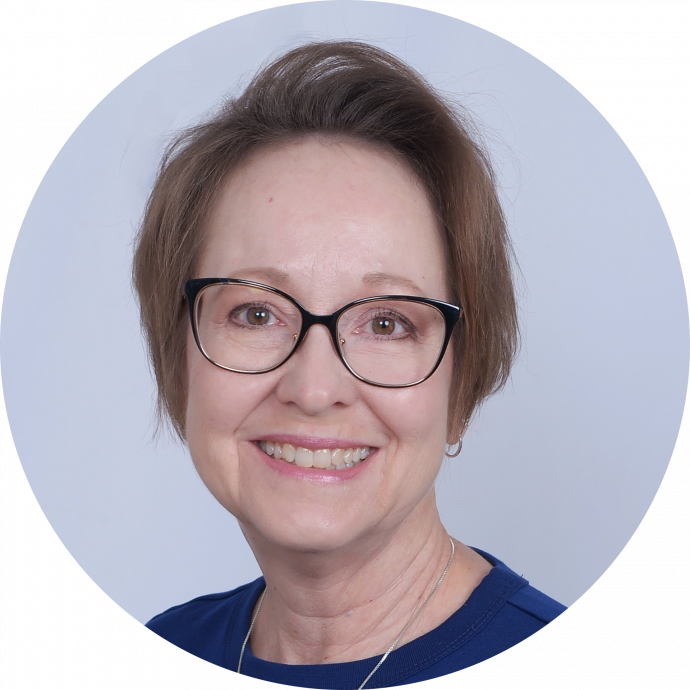
Hi, I’m Renea Stasaski, «newly-minted» BCPA, Founder of Sonoran Wayfinders, LLC. We provide in-person advocacy services in Tucson, AZ, as well as nationwide via tele-advocacy. My path to advocacy began with an MS in Biomedical Engineering from Vanderbilt University and 20 years of experience in medical device development. However, my front-line experience came from serving as a volunteer long-term care ombudsman in Texas. That mix of technical background and direct patient rights work gave me a unique perspective on how to navigate complex healthcare systems.
Education has always been a core part of my professional identity; I spent a dedicated chapter of my career as an educator, teaching adults at the community college level in both in-person and online environments. More recently, I stepped into the Artificial Intelligence world as a Subject Matter Expert for RLHF (Reinforcement Learning from Human Feedback), where I trained Large Language Models in math and biomedical engineering.
While I’ve returned my full focus to advocacy, I’ve brought those AI insights with me. I use these tools daily to cut through the noise of medical data and move faster for my clients. Now, I’m building resources to help others do the same.
I’m currently offering:
BCPA Certification Study Materials: Recognizing that everyone learns differently, I’ve developed a multimodal study system designed for all learning styles. My resources include podcasts, videos, interactive flashcards, presentations, and practice quizzes to ensure students master the material through the medium that works best for them.
AI-Integrated CE Courses (Coming Soon): I am developing a suite of Continuing Education courses where AI tools are baked into the curriculum. Students learn core advocacy content while gaining hands-on experience with AI. I focus on free tools and professional de-identification techniques, ensuring that even if students have never used AI, they can safely and immediately apply these efficiencies to their practice without compromising patient privacy.
I look forward to supporting and learning from my colleagues in this forum. Thanks to GNA for creating this venue!
Website: SonoranWayfinders.com
BCPA Certification Exam Study Guide: sonoranwayfinders.gumroad.com/l/asswv


My course, «AI? Piece of Cake,» is built specifically for our profession with zero fluff and straight-to-the-point workflows. Bonus: it earns you 2.0 JEDI CE credits. You'll also qualify for Sonoran Wayfinders' digital badge, Responsible AI Advocate.
The Older Americans Act established the National Long-Term Care Ombudsman Program, staffed by both paid and volunteer advocates. Critically, they work for residents, not facilities. They can address individual resident concerns and pursue systemic facility issues. Complaints feed into state and national trend databases that can drive regulatory action.
As a former Texas ombudsman, I can tell you SNFs were prioritized in caseloads over assisted living, even though both are covered under the OAA. The program is lean, but strategic.
As a first step I recommend looking for the ombudsman contact information typically posted at the facility entrance. Introducing yourself creates a ready partnership for exactly the issues you're describing.
Understaffing explains resource constraints. It doesn't excuse poor care.
Renea Stasaski, BCPA
Sonoran Wayfinders
Advocate's AI Atlas
I don't have direct experience, but I wanted to share some internet research I did.
The regulatory environment in North Carolina makes your «Hail Mary» potentially more difficult than it would be in other states because:
1. The North Carolina «Any Willing Provider» Limitation
North Carolina's statutes (specifically N.C.G.S. § 58-51-37) focus on the consumer’s right to choose a pharmacy. While it prevents insurance companies from excluding a pharmacy from their network, it does not mandate coverage for the specific products that pharmacy sells. If a supplement is not on the insurer's formulary, the fact that a North Carolina compounding pharmacy is dispensing it doesn't change its coverage status.
2. The NDC Trap: «Bulk Chemical» vs. «Drug»
The research you found about using an NDC is likely referring to a practice that North Carolina (and most states) has cracked down on.
The Pharmacy Side: A pharmacy can technically bill a claim using the NDC of a bulk powder (like pure L-theanine or Magnesium). The pharmacy software might «accept» this and return a paid status.
The Audit Side: Insurance companies in NC are increasingly using retrospective audits. If they see a claim for an NDC that corresponds to a bulk chemical rather than an FDA-approved drug, they will flag it as an «excluded ingredient.» They then claw back the payment from the pharmacy.
The Risk: Most compounding pharmacies now require patients to sign an «Assignment of Benefits» or a waiver stating that if the insurance company audits and denies the claim later, the patient is responsible for the full retail cost. You could accidentally land this family with a multi-thousand-dollar bill six months from now.
3. North Carolina's «Medical Necessity» Standard
In NC, health benefit plans are governed by Chapter 58, Article 3. While there are mandates for things like clinical trials and certain chronic diseases, there is no mandate for «compounded dietary supplements.» Even with a specialist's prescription, the insurer will likely cite the «Experimental/Investigational» or «Nutritional Supplement» exclusion found in standard NC policies.
A Better Strategy for this Family
Instead of trying to find a way to get through the pharmacy billing software, leverage these high-probability avenues:
N.C. Medicaid (if applicable): If the child is on Medicaid, NC has very specific rules for «Medical Foods.» If the supplements can be classified as medical foods for a child with a «metabolic or gastrointestinal» complication (often present in Long COVID/PANS), there is a formal Prior Authorization (PA) path.
The «Specific Route» Strategy: You mentioned a «certain route» (maybe transdermal or liquid because the child cannot swallow pills?). This is your strongest lever. If the specialist documents that the child cannot physiologically tolerate the standard oral form, you can file a «Medical Necessity Appeal» based on Formulary Exception. This is a standard administrative process that might work.
Direct-to-Consumer Lab/Wholesale: If the specialist sets up a Fullscript account, they can set the «profit» to 0%, giving the family the «Practitioner Price,» which is usually 35-50% lower than retail.
Just some ideas that I found interesting. I hope that helps!
Education has always been a core part of my professional identity; I spent a dedicated chapter of my career as an educator, teaching adults at the community college level in both in-person and online environments. More recently, I stepped into the Artificial Intelligence world as a Subject Matter Expert for RLHF (Reinforcement Learning from Human Feedback), where I trained Large Language Models in math and biomedical engineering.
While I’ve returned my full focus to advocacy, I’ve brought those AI insights with me. I use these tools daily to cut through the noise of medical data and move faster for my clients. Now, I’m building resources to help others do the same.
I’m currently offering:
BCPA Certification Study Materials: Recognizing that everyone learns differently, I’ve developed a multimodal study system designed for all learning styles. My resources include podcasts, videos, interactive flashcards, presentations, and practice quizzes to ensure students master the material through the medium that works best for them.
AI-Integrated CE Courses (Coming Soon): I am developing a suite of Continuing Education courses where AI tools are baked into the curriculum. Students learn core advocacy content while gaining hands-on experience with AI. I focus on free tools and professional de-identification techniques, ensuring that even if students have never used AI, they can safely and immediately apply these efficiencies to their practice without compromising patient privacy.
I look forward to supporting and learning from my colleagues in this forum. Thanks to GNA for creating this venue!
Website: SonoranWayfinders.com
BCPA Certification Exam Study Guide: sonoranwayfinders.gumroad.com/l/asswv