


How to handle clients with opioids dependence?
Hi! As a Liaison of the Advocacy Support Center I've read many situations that patients are going through. We have received several calls regarding... See More
176 views
10 comments
 Lauren Wheeler
13 days ago
Thanks to Amanda for commenting! All great stuff in there (as expected from our advocacy pain expert).
I had a few months where I was getting tons of these calls myself, so I found some literature and resources. Some is specific to California, and most of my little comments are written for a patient/client email, but you'll get the idea! (Also, I haven't checked most of the links in a few years, but hopefully they are all good. Comment if you find a broken one.)
This fact sheet comes from a group dedicated to policy advocacy for people with chronic pain. nationalpain.org/fast-facts-opioids and this one is a curated list of some of the literature about the harms of tapering against the physicians best medical judgement: nationalpain.org/resources-pain-opioids-patient-harm#facts
More resources from them: nationalpain.org/resources
California state guidelines on opioid prescription: (see page 14 on tapering)
www.mbc.ca.gov/Download/Publications/pain-guidelines.pdf -this one may be a bit hard to read, but it talks about all of the good reasons to reduce a person's dosage of pain meds and why and when and how to do it carefully. Basically it needs to be done with you (the patient) making decisions together with the doctor.
AMA Ethics article about non-consensual tapering: journalofethics.ama-assn.org/article/nonconsensual-tapering-high-dose-opioid-therapy-justifiable/2020-08
This piece was written by a doctor who has experience with chronic pain — its a great read, but it is a little complicated. There are tons of links to studies that your doctor will appreciate, and there is a numbered list of things you can try saying. stefankertesz.medium.com/my-doctor-says-they-have-to-lower-the-long-term-opioid-what-can-i-do-what-do-i-say-b3d35776379e
All that said, there ARE reasons to want to taper opioids, especially for long-term non-cancer pain. They have side effects. So if I can get the client/patient on board with the goal of «pain management» over the goal of «getting my meds» then I want to get them adjuncts. I like the metaphor of a car with 4 flat tires — even if acupuncture (or whatever) alone isn't going to get you back to functional, then maybe acupuncture + a pain psychologist + massage + gabapentin will… This is where I heard that analogy: www.acpanow.com/#/ and they have peer support groups, iirc.
And this is a directory of pain psychologists and some resources: aapainpsychology.org/resources/
I also saved a link to this app, but I don't know if it's good and haven't talked to anyone who's used it.
Curable — The App for Chronic Pain (https://www.curablehealth.com/)
-app for coaching, some CBT, mindfulness/grounding exercises, meditations, visualizations, motor imagery, education, stories of others
-2 week free trial, then paid. $16/month, or $8/month if you buy a year.
As an anecdote, I have an older family member who lives with chronic pain and many other conditions. She's done great with buprenorphine patches, in part because they come with a pain management team (RN she can call when she has questions, and a doctor who regularly prescribes this med and suboxone) — really better than she ever did on oxycodone pills. So, definitely agree that it's worth suggesting callers ask their doctors if they know anyone who can do this and refer out.
 Jennifer Stephens
15 days ago
I mostly manage opioids for GI and cancer clients. Here are some short- and long-term approaches I use, including some of what's been mentioned here.
In the short term, I encourage my clients to track their pain level (1-10) and medications by time of day. If they have the bandwidth, I also encourage them to note the pain location and a description (sharp, searing, dull, etc.). When they talk about their pain with their providers, I may ask them to share what their pain has stopped them from doing (if they shared something relevant with me beforehand). Sharing this information with providers can help them get a fuller picture when making their assessment and prescribing.
I also encourage clients to be completely honest about their (legal and illegal) drug use; to obtain and learn how to use Narcan; and to prepare/share a list of how they manage their pain besides medication (e.g., meditation, therapy/support, yoga, TENS machine, acupuncture, etc.). Showing all the pathways the client has taken supports their valid requests.
It's critical I make clear to the provider which medications have been stopped or are inaccurate. Sometimes a clerical error for a drug that is no longer taken is enough to make a provider hesitant to prescribe more or something else. This is where I step in as an advocate to speak for the patient to share if a script was never picked up, whether the supply was completed as expected, or details on the dosage, frequency, and situation when a specific drug did/did not work.
When the client is struggling to understand why they are having trouble getting a prescription, I will share information or provider chart notations from the client's chart; for example, when they are outside the average on their ED screening scores. This can help clients understand where providers may be coming from.
Like Ilene, I've found that in the long term, connecting clients with a pain management, palliative, or hospice care provider TEAM is the best long-term option. I've found they are more knowledgeable and willing to discuss not only opioid drugs but also the medications to combat the side effects of opioids and other medical and non-medical options, including, but not limited to, mental health and cannabinoid products. In addition, they can best help manage tapering down and the side effects of withdrawal.
Why a team? So clients have access to multiple providers as needed, may be eligible for home visits, and often have a more responsive 24/7 line to call. This is also helpful when the patient has to go to the hospital or their PCP in crisis because there's a record that they have a palliative care team that can advise them and that someone specific is managing all pain medications.
Finally, when working with the provider and client, I will advocate for or ask, «What else?» Alternative options I've pursued or had patients prescribed include lidocaine patches, a nerve block, prescription NSAIDs (e.g., celecoxib and Toradol), and anti-anxiety medications.
 ilene corina
16 days ago
I have taken my client to a «pain» doctor who is much more knowledgeable and empathetic to this situation. This doctor recommended Gabapentin as an alternative but did not stop the use of Oxy completely. Together we monitor the use, and it has been less and less use though still not off completely. Not sure if this is helpful but it is what I did, and we are still working on it…
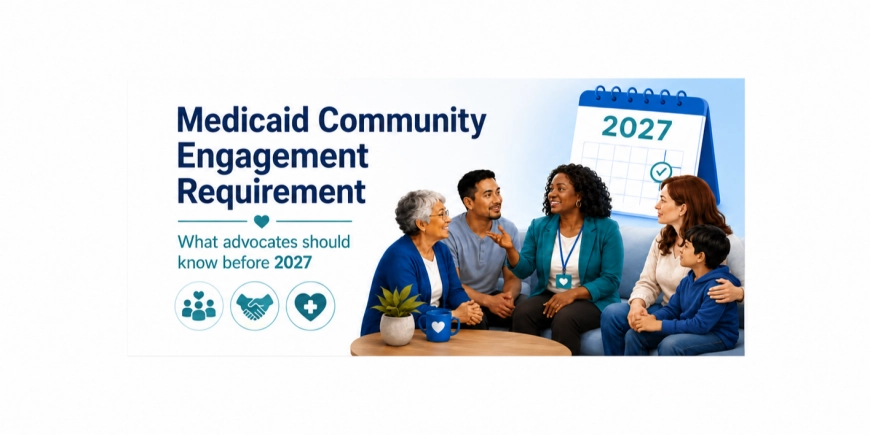
📢 New Medicaid Community Engagement Requirement: What Advocates Should Know for 2027
How many times have you supported a patient or caregiver who was overwhelmed by medical bills, losing coverage, unable to afford care, or facing... See More
720 views
 AnnMarie Cross
4 months ago
THANK YOU for sharing!
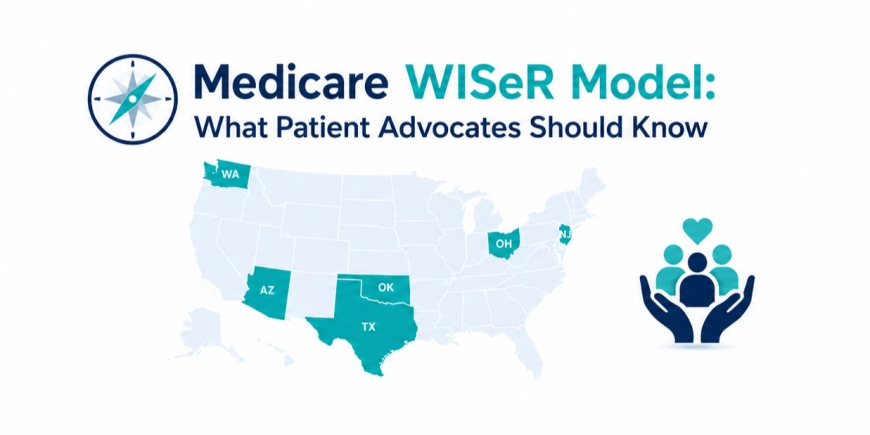
🧭 Medicare WISeR Model: What Patient Advocates Should Know
🚨 Medicare info for patient and healthcare advocates Patient and healthcare advocates working with clients in Arizona, New Jersey, Ohio, Oklahoma... See More
740 views
 Ron Shinkman
3 months ago
Here is an investigative article I recently wrote on WISeR: www.thinkglobalhealth.org/article/ai-driven-pilot-program-delays-access-to-care-for-americans
 Kimberly Russell
4 months ago
Good information to know. Thank you Dalia.
Ron Shinkman
4 months ago
Good information. I have an investigative journalism piece on WISeR that will likely be published later this month and will share.
Fatphobia
Today I wanted to write about something that, unfortunately, many people still avoid talking about: fatphobia and weight bias in healthcare. Every... See More

769 views
Sangeeta Buragohain
4 months ago
Thank you for sharing such a powerful and personal story. Your message is an important reminder that every patient deserves dignity, respect, and compassionate care, regardless of their size or health condition. I appreciate your willingness to speak up for those who often feel unseen or unheard. You are a force!!!
AnnMarie Cross
4 months ago
Dalia,
First, i'm so incredibly sorry for what your family went through. NO ONE should ever be treatd that way, for any reason whatsoever.
Second, YES! THANK YOU for saying what is so often unsaid — that weight is about so much more than willpower.
My youngest was a competitive bicyclist. She regularly went, literally 100 miles in a day on her bike. When we were seeing docs about her post-exertional malaise and her orthostatic intolerance, EVERYONE tried to blame her weight. When i explained how fit the girl was, then they would blame overtraining and yet also somehow come back to it being due to her weight. Drove me CRAZY and drove her away from medical care for a long time.
THANK YOu for saying what needs to be said.